Africa | Ivory Coast | Grand-Bassam

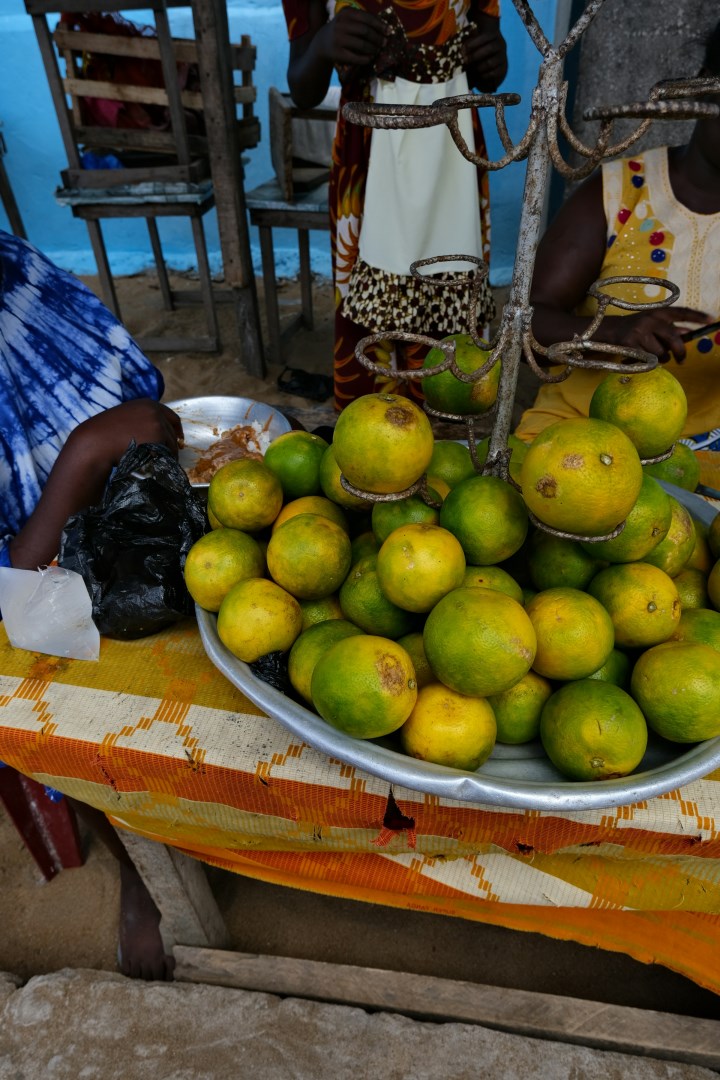
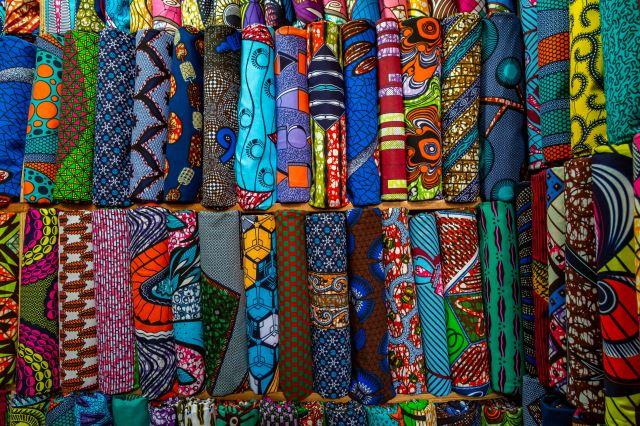
Grand-Bassam is a coastal city in southeastern Côte d’Ivoire, about 40 kilometres east of Abidjan, where the Ébrié Lagoon meets the Gulf of Guinea. The city extends across lagoon shores and a narrow coastal strip lined by Atlantic beaches and coconut palms. Its best-known district is the historic quarter on the Ancien Bassam peninsula, where broad streets and surviving colonial-era buildings form a distinctive urban landscape. Grand-Bassam remains an active community rather than solely a historic site, with fishing, markets, crafts and beachside businesses forming part of daily life alongside its architectural heritage.
The city is closely associated with the N’zima people, whose traditions remain an important part of local identity. One of the most significant cultural events is Abissa, a festival involving music, drumming, dance and public gatherings that reinforce community ties and provide opportunities for social reflection. The National Costume Museum occupies the former governor’s palace and displays clothing, masks, ornaments, musical instruments and models of traditional homes representing peoples from across Côte d’Ivoire. Grand-Bassam’s historic district also preserves evidence of its former administrative and commercial importance, including residences, trading houses and public buildings.
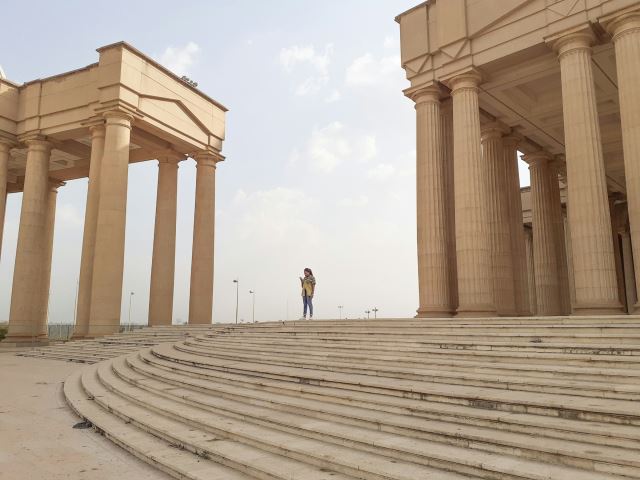
The Historic Town of Grand-Bassam is a UNESCO World Heritage Site encompassing the colonial town, the N’zima village and the relationship between the built environment, lagoon and coastline. Notable structures include the former governor’s palace, the old post office, courthouse and Sacred Heart Cathedral. Many buildings have deep verandas and architectural features adapted to the hot, humid climate. Beyond the historic streets, the Comoé River and Ébrié Lagoon create wetlands and waterways around the city, while the Atlantic shoreline extends along a sandy barrier between the ocean and lagoon system.
Food in Grand-Bassam reflects its coastal location, with grilled fish, prawns and other seafood widely served in restaurants and informal eating places. Attiéké, made from fermented and grated cassava, is a common accompaniment to fish and is one of Côte d’Ivoire’s best-known foods. Kedjenou, a slowly cooked stew usually prepared with chicken or other meat, is another established Ivorian dish.
Other Popular Destinations in Ivory Coast